How Often Should You Schedule Professional Roof Washing in Central PA?
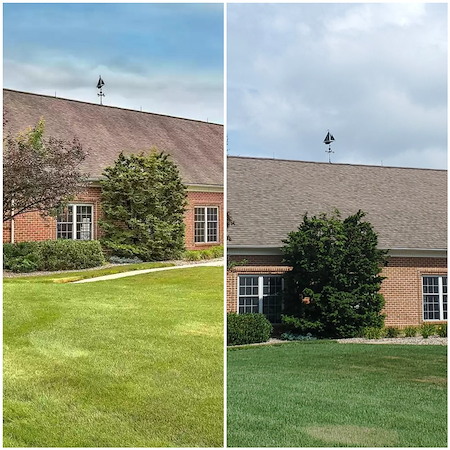
Homeowners across State College, Boalsburg, and Lemont often ask how often they should book professional roof washing in Central PA. The short answer is this: most roofs do best on a regular plan rather than waiting for stains to spread. Factors like shade, tree cover, humidity, roof age, and material all change the timeline. If you want a safe, low-pressure clean that protects your shingles, schedule professional roof washing with a trusted team.
In neighborhoods such as Park Forest Village, College Heights, and Toftrees, roofs see four true seasons. Winter snow, spring pollen, summer humidity, and fall leaf drop all add up. A steady maintenance rhythm keeps dark algae streaks from setting in and helps your roof look new longer.
Why Roof Washing Matters in Central PA
Central PA’s mix of shade, tall trees, and humid summers creates ideal conditions for algae and moss. Those black streaks are often a living organism that feeds on roof materials and traps moisture. Left alone, it spreads faster after warm, wet weeks.
Regular cleaning improves curb appeal, helps shingles reflect heat, and supports your roof’s service life. Many manufacturers and insurers expect reasonable maintenance, and clean surfaces make inspections easier. **Document maintenance to help with roof warranty claims.**
How Often Should State College Homeowners Schedule Roof Washing?
Think in terms of a range, then fine-tune based on your home’s conditions. Most families in State College, Houserville, and Pine Grove Mills land in one of these patterns:
- Typical asphalt shingle roofs: every 1 to 3 years
- Heavy shade or frequent tree debris: yearly or every 18 months
- Metal or tile roofs with good sun and airflow: every 2 to 4 years
- Newer roofs: set a baseline clean at year 2, then adjust
- Older roofs nearing replacement: shorter intervals to limit growth
If black streaks reappear quickly, shorten the gap. If your roof stays clean and sunny with minimal debris, lengthen it. The goal is simple: clean before growth takes hold so you avoid repeat staining.
Factors That Change Your Ideal Roof Washing Schedule
Roof Material and Age
Asphalt shingles are common in State College and respond well to low-pressure soft washing. Metal sheds grow faster but can show pollen film. Historic slate around College Heights needs gentle care. Older surfaces with granule loss or thin coatings often benefit from more frequent, lighter cleanings.
Shade, Trees, and Airflow
Lots of shade, overhanging branches, and slow-drying spots encourage algae and moss. North-facing slopes and dormer valleys stay damp longest. If your home sits under oaks and pines, expect more frequent cleaning. **Never ignore active moss or lichen.**
Slope and Orientation
Steeper slopes dry faster, while low-slope sections can hold moisture and debris. North and east faces often show streaks first. Watch any sections shaded by neighboring homes or tall evergreens.
Venting and Gutters
Good attic ventilation helps the roof dry after storms. Clear, functioning gutters reduce standing moisture at the eaves. If gutters clog each fall, your roof may need a cleaning sooner after leaf drop.
Keep the rest of the exterior on a smart care schedule, too. Pair roof care with broader residential pressure washing to keep siding, walks, and patios looking their best.
What Local Weather Means for Your Roof
Central PA’s seasons each add a different stress:
- Winter: snow and ice can sit on shaded slopes and trap organic growth underneath
- Spring: heavy pollen coats shingles, feeds algae, and washes into gutters
- Summer: warm, humid weeks accelerate streaks and moss
- Fall: leaf drop blankets valleys and gutters, holding moisture on the roof
Timing matters. A clean surface after spring pollen or before fall leaf piles gives you the most benefit for the longest time.
Signs Your Roof Needs Attention Now
Do not wait for a roof to look “very dirty.” Early action keeps stains from settling and helps avoid repeat cleanings.
- Black or brown streaks are visible from the curb
- Green patches or tufts in shaded valleys
- Grit in gutters showing noticeable granule loss
- Persistent damp lines on the north side after sunny days
- Musty odors in the attic after storms
If you are comparing options for pressure washing in State College, PA, a quick visual check from the ground is enough to decide it is time to call. There is no need to climb or take risks.
Soft Washing vs. High Pressure: What’s Best for Your Roof
Roof cleaning is part of pressure washing, but the right method is different from blasting a driveway. Soft washing uses controlled, low pressure with a roof-safe detergent blend, then a gentle rinse. This approach removes algae and moss while protecting shingles, flashing, vents, and seals.
High pressure can drive water under shingles and strip protective granules. **Never allow high-pressure washing on asphalt shingles.** A trained crew will match the mix and dwell time to the stain level and roof type, then rinse carefully to protect landscaping.
The Best Times of Year to Book Roof Washing in Central PA
You can clean in most months when temperatures are above freezing, but some windows deliver more value:
Late spring and early fall fit many homes in State College, Lemont, and Boalsburg. Spring removes pollen film before it fuels algae. Fall clears stains and debris before winter moisture sets in.
- Late March to early June: great for roofs that see heavy pollen
- September to early November: ideal before consistent freeze-thaw
- Mid-summer: fine for urgent streaks if heat and humidity allow a safe schedule
Booking early helps you secure a good weather window. If you manage a storefront or office near Downtown State College, pair seasonal care with building washing for commercial properties so the roof and facade look clean together.
Protect Your Curb Appeal and Roof Life
A clean roof brightens the whole exterior. It also helps your home shed water and dry faster after the next storm. In tree-lined streets like those around College Heights and Park Forest Village, that quicker drying makes a real difference.
Most homeowners land on an every-1-to-2-year plan and adjust from there. If thick shade, leaf drop, or repeat streaks show up, shorten the gap. If your roof bakes in the sun and stays clean, you can stretch it. Work with a local pro who knows Central PA climate patterns and common roof types.
When you choose United Restoration and Exterior Cleaning, you get a trained pressure washing team that uses soft washing specifically for roofs. The process protects shingles, keeps water out of the attic, and respects your landscaping. If you are ready to see results that last, book a visit for roof washing.
Ready To See Your Roof Look New Again?
Give United Restoration and Exterior Cleaning a call at 570-428-3745, and we will set a schedule that fits your roof, your trees, and your block. We serve homes across State College, PA and nearby neighborhoods with careful, low-pressure cleaning. For a trusted local team and a clean that lasts, request your spot for roof washing today.